
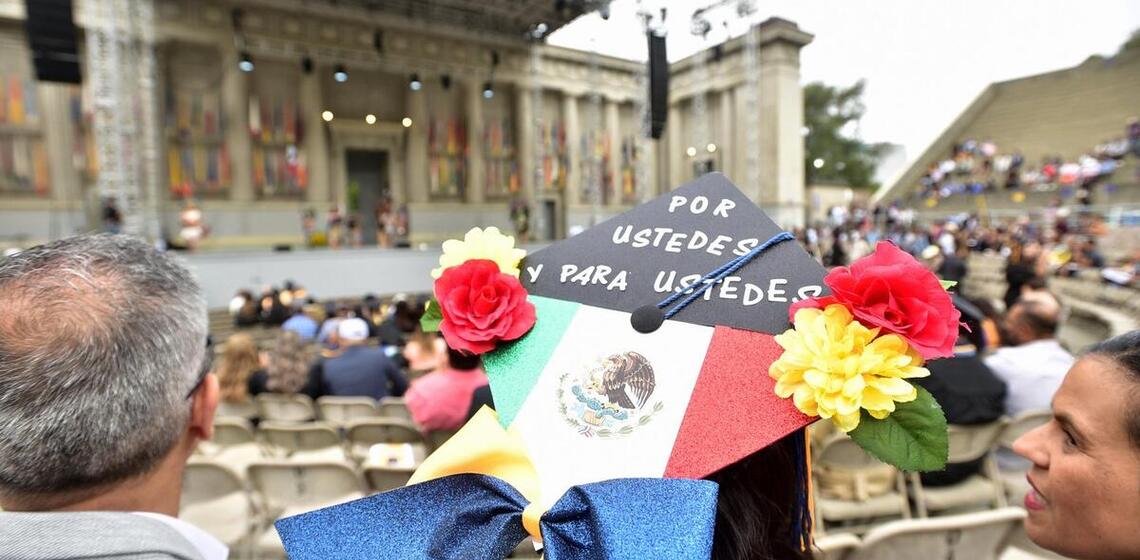

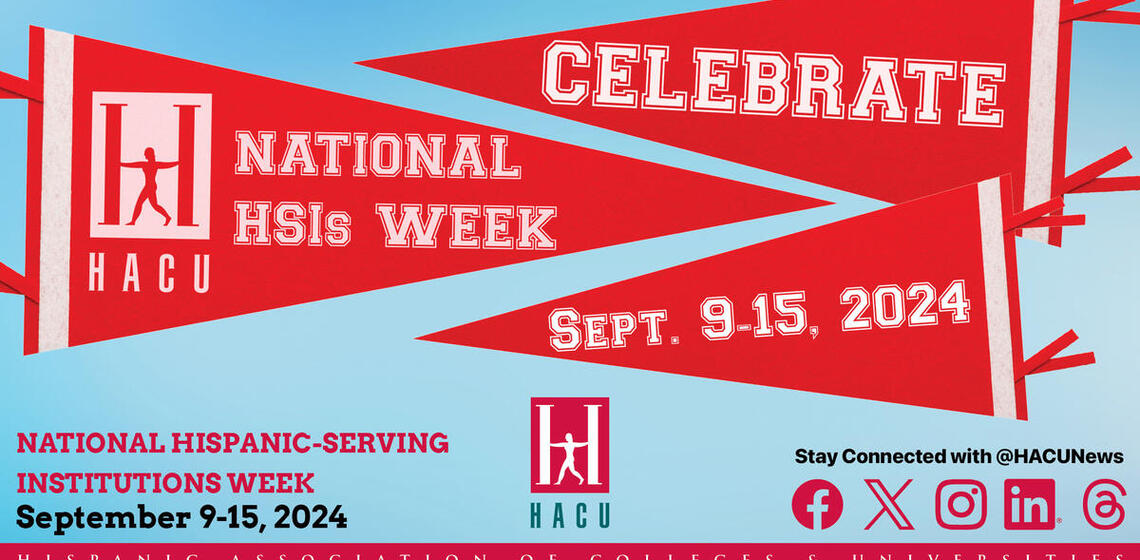
UC Berkeley celebrates 2024 HSI Week
Celebrate HSI Week to acknowledge Hispanic-Serving Institutions (HSIs) across the nation.

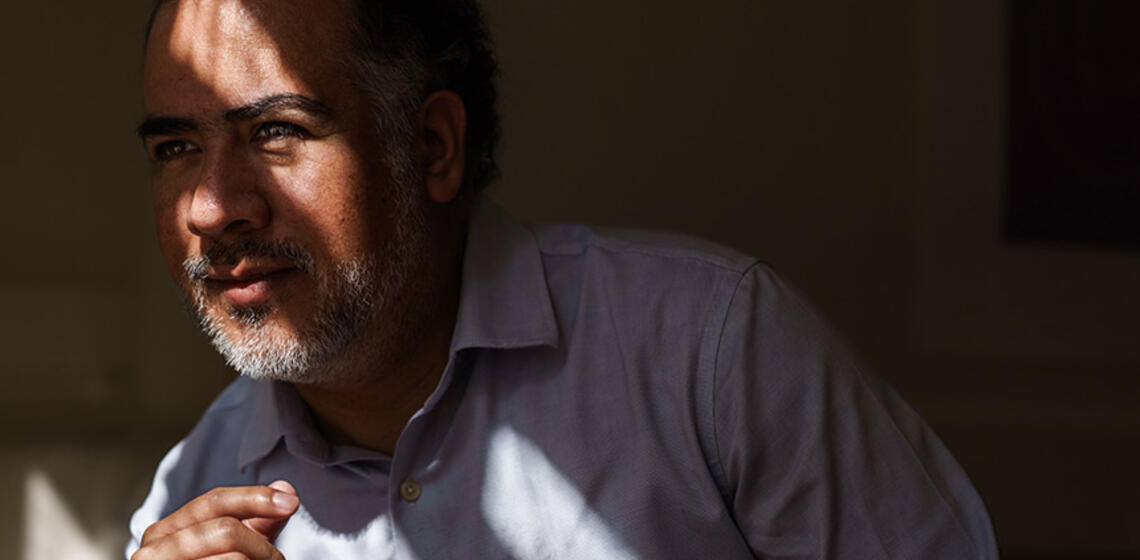
This Latinx Heritage Month, we recognize the vibrant and diverse contributions of the Latinx community to our campus and beyond.
This is a time to celebrate our shared heritage, honor the achievements of Latinx individuals, and engage with the cultural, academic, and social richness of our community.
As we share community’s contributions, we must first acknowledge the conversations around the use of multiple “umbrella” terms, such as Hispanic, Chicano/Chicana, or Latino/Latina/Latinx/Latine, and the many intersectional identifying terms people embrace, whether racial identities or signifiers, such as first-generation or undocumented/documented. We respect and appreciate how community members choose to self-identify. While we use the broader term Latinx for this message, we are mindful both of the shared histories of inequities Latinx communities have endured, as well as the historical, raciolinguistic, regional, social, and educational variance and specificities experienced by Latinx peoples.
Spotlight: Latinx Thriving Initiatives
When former Chancellor Christ set the goal for Berkeley to become a Hispanic Serving Institution (HSI), or have 25% of enrolled undergraduate students be Latinx, by 2027, it was apparent that other changes needed to be made institutionally in order to meet this goal and better serve our Latinx students, as well as staff, faculty, and alumni. Hence, the HSI Initiative became the Latinx Thriving Initiatives (LTI). Achieving HSI designation is one goal, and LTI consists of broader efforts to intentionally serve Latinx/e students, staff and faculty.
Units and Departments
Task Forces and Advisory Bodies
- Chicanx/Latinx Standing Committee: The Latinx Thriving Initiatives Advisory Board
- Latinx Thriving Initiatives Student Advisory Board: Students interested in learning more about this opportunity should complete the Interest Form: 24-25 Latinx Thriving Initiatives Student Advisory Committee
Staff and Faculty Resources
- Alianza: Community building, professional development and promotion of Latinx staff
Have content submissions for this page or feedback to share? Your opinion matters to us. Share your thoughts through this website feedback form.
Student Orgs and Advocacy Groups
-
CalLink groups: There are over 40+ Latinx Student Organizations and Advocacy Groups at UC Berkeley. Get involved today!
- Graduate Association of Latinx Students (GALS)
-
Chicanx Latinx Student Development: The Chicanx Latinx Student Development office is a student run, staff led space working to retain Latinx students at Berkeley
- UC Berkeley Chicano Latino Alumni Association
Student Resources
- Office for Graduate Diversity
- University Health Services - Especially for Latinx Students
- University Health Services - Especially for Undocumented Students
News and Blogs
- Latinx Experience @ Cal via Berkeley Life
- Berkeley Voices: Professor Justin Davidson's (Spanish & Portuguese) Quest to Legitimize U.S. Spanish via Berkeley News
- Ron Rael, professor of architecture in College of Environmental Design, in conversation with Arch Daily on the future of architecture via Arch Daily
- A Love of Spanish and Teaching led this Transfer Student and Foster Parent to Berkeley via Arts & Humanities
- Ethnic Studies Continuing Lecturer Pablo Gonzalez talks about Chicano history and children’s books via Letters and Science
Events
- August 12, 2024: Chicanx Latinx Student Development (CLSD) Familia Orientation (online)
- August 20, 2024 at 2pm in Pauley Ballroom: CLSD Familia Orientation (in person)
- September 9-15, 2024: National Hispanic-Serving Institutions (HSI) Week
- September 10, 2024: Raices Recruitment & Retention Center presents Nuestrapooloza
- September 12, 2024: Latinx Thriving Mental Health Symposium - RSVP
- September 19, 2024: Encontrando Communidad: Latine/Hispanic Support and Process Group starts
- September 20, 2024 from 4-7 pm at the LSRC: CLSD presents La Bienvenida, big welcome for new students, faculty, staff and alumni
- September 24, 2024 at noon: Dignity by Fire book talk with Cal alum Randy Parraz
- September 26, 2024: Beyond Borderlands/La Frontera: The Legacy of Gloria Anzaldúa
- September 27, 2024 at 9:30am in Dwinelle 229: Navigating Cal/NGSO (GALS/CLSD) orientation for all grad students
- September 29, 2024 at 12pm at Berkeley Civic Center Park: Comunidad en la Placita
- October 3 at 3pm: Latinx Heritage Men’s Soccer Match: Cal vs. Louisville at Edwards Stadium
- October 4 at 5pm: Cal Athletics DEIBJ Latinx Heritage Month Playbook at the Cal Alumni Association
- October 4 at 7pm: Latinx Heritage Volleyball Match: Cal vs Wake Forest at Haas Pavilion
- October 5: Latinx Heritage Cal Football Game: Cal vs. Miami at California Memorial Stadium
- October 6 at 12pm: Latinx Heritage Field Hockey Match: Cal vs North Carolina at Underhill Field
- October 9, 2024 at 5pm: CLSD/LSRC Collective Seminars/Support Groups
- October 18, 2024 in Berkeley, CA: Latina Women in STEM event
- November 16, 2024: Sharing Wisdom Across Generations (SWAG)/Alumni - Online
Latinx Faculty and Research


